
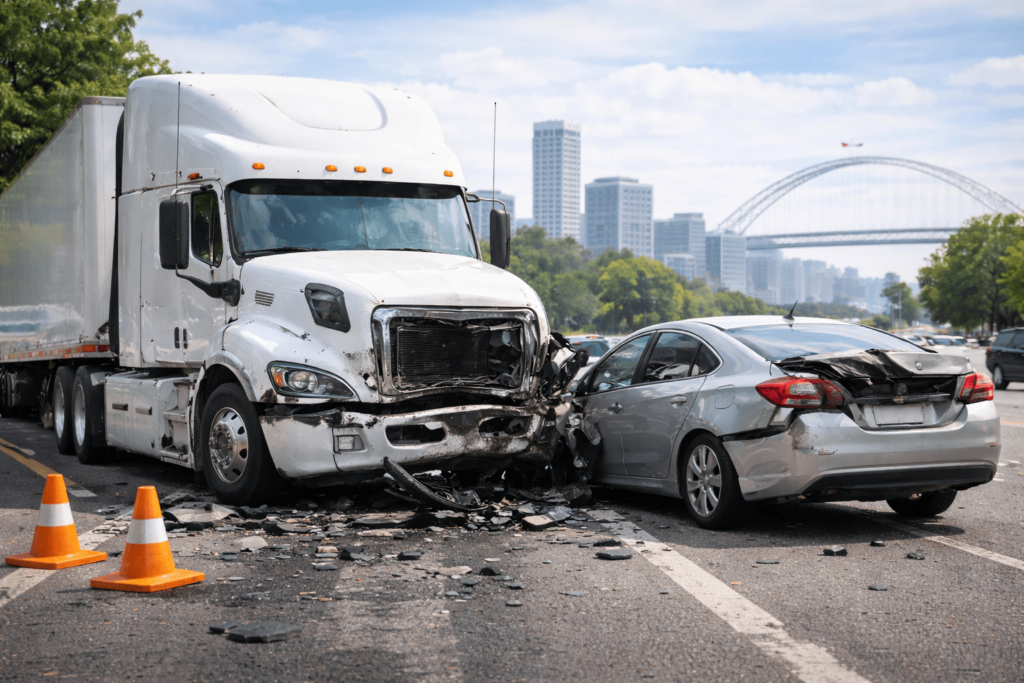
A truck accident can turn an ordinary day into a stressful and confusing experience. Large commercial trucks can cause serious injuries and major property damage because of their size and weight. After a crash, injured people often have to deal with medical treatment, lost income, vehicle repairs, and insurance companies at the same time. Knowing how to handle the insurance process can make a difficult situation easier to manage.
If you were hurt in a commercial truck crash, working with a Portland Truck Accident Attorney may help you understand your legal rights and the steps involved in pursuing compensation. Truck accident claims can be more complicated than ordinary car accident cases because several people or companies may share responsibility. The trucking company, driver, insurance carrier, maintenance provider, cargo company, or another party could potentially be involved.
Insurance companies are businesses. Their goal is generally to resolve claims while protecting their financial interests. An injured person should understand this before giving statements, accepting an early settlement, or signing documents. A careful approach can help protect important evidence and prevent mistakes that could affect a personal injury claim.
Understanding How Truck Accident Insurance Claims Work
Truck accident insurance claims often involve more than one insurance policy. A commercial truck may be covered by a policy held by the trucking company, while other parties involved in the accident may have separate coverage. The driver may also have responsibilities under state and federal trucking regulations. This creates additional questions that may not arise in a typical passenger vehicle collision.
After a truck accident in Portland, the insurance company may contact you quickly. An adjuster may ask what happened, whether you were injured, and whether you are willing to provide a recorded statement. While these questions may sound routine, anything you say can become part of the claim. It is important to provide accurate information without guessing about facts you do not know.
Medical treatment should also be a priority. Some truck accident injuries are obvious immediately, while others may develop over time. Whiplash, back injuries, traumatic brain injuries, internal injuries, fractures, and other conditions may require continuing care. Medical records can also help document the connection between the collision and your injuries.
The value of a truck accident claim depends on many factors. These can include medical expenses, future medical needs, lost wages, reduced earning ability, property damage, pain and suffering, and the severity of the injuries. An insurance adjuster may look at these issues when evaluating a settlement.
A Portland Truck Accident Attorney can review the available evidence and explain how Oregon personal injury laws may apply. This can be especially useful when the facts are disputed or when the insurance company questions liability.
Truck accident cases can also involve important evidence that should be preserved quickly. This may include photographs, traffic camera footage, vehicle data, driver logs, electronic records, maintenance documents, cargo information, police reports, and witness statements. Commercial trucking companies may have records that are important to determining what happened.
Because evidence can become harder to obtain as time passes, early legal guidance can be valuable. An attorney may communicate with insurers and other involved parties while working to identify the evidence needed to support the claim.
Why Insurance Companies May Challenge Your Claim
Insurance companies have a financial interest in limiting the amount they pay on claims. This does not mean every insurance adjuster is acting improperly, but it does mean injured people should understand that an insurer is not their personal legal representative.
One common issue is disagreement over who caused the crash. A trucking company may argue that the truck driver was not responsible. The driver may claim another vehicle caused the collision. An insurer may also argue that the injured person contributed to the accident.
Oregon follows comparative negligence rules, which can affect the amount of compensation available when more than one party shares responsibility. Because the exact legal effect depends on the facts of a particular case, it is helpful to have the circumstances reviewed carefully before accepting an insurance settlement.
Another issue is the severity of the injuries. Insurance companies may question whether an injury was caused by the truck crash, particularly when the person had earlier medical problems or delayed symptoms. Complete medical documentation can be important in responding to these arguments.
Insurers may also examine employment records when a person claims lost wages. If an injury prevents someone from returning to the same job, the claim may involve future earning capacity as well as income already lost. This can require additional documentation and careful evaluation.
An early settlement offer may appear attractive when medical bills are arriving and income has been interrupted. However, accepting a settlement generally means giving up the ability to pursue additional compensation for the same claim. Before signing a release, an injured person should understand what the settlement covers and whether future medical expenses have been considered.
A Portland Truck Accident Attorney can help review settlement offers and explain potential legal issues. The attorney can also help determine whether the proposed amount reasonably reflects the documented losses and circumstances of the case.
Steps to Take When Dealing With Trucking Insurance Adjusters
After a serious truck collision, it is natural to want to resolve the insurance claim as quickly as possible. However, moving too fast can create problems. A calm and organized approach is usually better.
Start by keeping records related to the accident and your recovery. Medical bills, appointment records, prescription expenses, repair estimates, wage information, and other documents can help show the financial impact of the collision. Keeping a written record of how the injuries affect everyday activities may also help document non-economic losses.
When speaking with an insurance adjuster, stick to facts that you know. Do not speculate about speed, distance, braking, or other details if you are uncertain. Avoid statements that minimize your injuries simply because you are trying to be polite. It is possible to be honest without making conclusions about fault or the final extent of your injuries.
You should also be careful about recorded statements. An insurance company may ask for one as part of its investigation. Before providing a recorded statement, consider discussing the request with a Portland Truck Accident Attorney, particularly if the accident involved serious injuries or disputed liability.
Social media can also become relevant in personal injury cases. Photos, videos, comments, and public posts may be examined by opposing parties. Avoid posting material that could be misunderstood or used to argue that your injuries are less serious than reported.
Another important step is identifying all potentially responsible parties. A truck accident may involve the truck driver and trucking company, but other parties could sometimes play a role. A defective component, poor vehicle maintenance, improper loading, unsafe road conditions, or another factor may contribute to a collision.
Commercial trucking cases can require detailed investigation. Federal Motor Carrier Safety Administration rules and Oregon transportation laws may apply depending on the type of vehicle, trip, driver, and circumstances. Issues involving hours of service, driver qualifications, vehicle inspections, maintenance, cargo loading, and company practices may become important.
An experienced Portland Truck Accident Attorney can examine these issues and determine which evidence may support the claim. This is particularly important when the trucking company or insurer has access to information that an injured person cannot easily obtain.
How a Portland Truck Accident Attorney Can Help
A truck accident lawyer can take on many of the legal and insurance-related tasks that can be overwhelming after a serious collision. The exact services depend on the circumstances of the case, but legal representation may include investigating the crash, identifying responsible parties, communicating with insurance companies, reviewing medical records, calculating damages, and negotiating a settlement.
One major benefit of legal representation is having someone who understands the difference between a simple vehicle accident and a commercial trucking claim. Truck cases can involve multiple insurance policies, federal regulations, business records, and complex liability questions.
An attorney may also help preserve evidence. This can include sending appropriate requests to preserve records related to the truck, driver, company, maintenance, cargo, and collision. Accident reconstruction specialists or other professionals may be consulted when technical evidence is important.
Another important role is negotiating with the insurance company. A settlement should be based on the documented losses and legal circumstances rather than pressure from an adjuster. An attorney can present evidence supporting medical expenses, lost income, property damage, pain and suffering, and other damages when appropriate.
If the insurer refuses to make a reasonable offer, litigation may become an option. Filing a lawsuit does not automatically mean a case will go to trial. Many personal injury cases are resolved through negotiation or settlement. However, preparing a claim for litigation can give the injured person stronger leverage during negotiations.
A Portland Truck Accident Attorney can also explain the applicable deadlines. Oregon personal injury claims are subject to statutes of limitations and other legal requirements. The specific deadline can depend on the nature of the claim and the parties involved. Waiting too long can create serious problems, so injured people should seek legal advice promptly.
The attorney-client relationship also gives an injured person a professional advocate during a stressful period. Instead of handling every call from an insurer alone, the person may have legal counsel communicating on their behalf. This can allow the injured person to focus more attention on medical recovery.
Building a Strong Truck Accident Compensation Claim
A strong truck accident claim starts with evidence. The police report may provide useful information, but it is only one part of the investigation. Photos of the vehicles, road conditions, visible injuries, traffic signs, and accident scene can help establish what happened.
Witnesses can also be important. People who saw the crash may provide information about vehicle movement, traffic conditions, driver behavior, or other circumstances. Their contact information should be preserved whenever possible.
Medical evidence is equally important. Follow your healthcare provider’s instructions and attend recommended appointments. Keep records of treatment and communicate honestly about symptoms. If treatment is interrupted for reasons unrelated to recovery, the gap may create questions about the injury.
Financial losses should also be documented. Pay records, employer information, invoices, receipts, repair estimates, and other documents can help demonstrate economic damages. When injuries affect the ability to work in the future, additional evidence may be needed to estimate long-term losses.
Non-economic damages can be more difficult to measure. Pain, emotional distress, loss of normal activities, and reduced quality of life do not always come with a simple price tag. The circumstances of the injury and its effect on daily life may be considered when evaluating these losses.
Truck accident claims may also involve questions about punitive damages in unusual circumstances involving especially serious misconduct. Whether such damages are available depends on the specific facts and applicable law. An attorney can explain whether this issue is relevant to a particular case.
Choosing legal representation should involve more than simply selecting the first attorney you find online. Look for an attorney or law firm with experience handling personal injury and commercial truck accident cases. Ask about their experience, approach to communication, fee structure, and how they evaluate the potential value of a claim.
It is also important to understand that every accident is different. A claim involving a rear-end collision with a tractor-trailer may raise different issues from a rollover, jackknife accident, underride crash, or collision involving a delivery truck. The available evidence and potential responsible parties can vary significantly.
If you were seriously injured in a Portland-area truck accident, getting legal advice early can help you understand your options. Do not assume that an insurance company’s first offer is the final value of your claim. Take time to understand your medical condition, financial losses, and legal rights before making major decisions.
Conclusion
Dealing with insurance companies after a truck accident can be difficult, especially while you are recovering from serious injuries. Commercial truck accident claims may involve multiple insurance policies, trucking regulations, responsible parties, and complex evidence. Taking a careful approach can help protect your interests.
If you are dealing with an insurer after a collision, a Portland Truck Accident Attorney can help explain the claims process, investigate the accident, protect important evidence, and negotiate with the insurance company. Keep detailed records, seek appropriate medical care, avoid guessing when answering questions, and carefully review any settlement before accepting it. Most importantly, remember that the right legal strategy depends on the specific facts of your accident.